
As questions swirl around renewable energy projects and alleged government liabilities, Atty. Antonio “Tony” La Viña is asking a more fundamental question: Where is the evidence?
In Philippine politics, allegations can travel faster than facts.
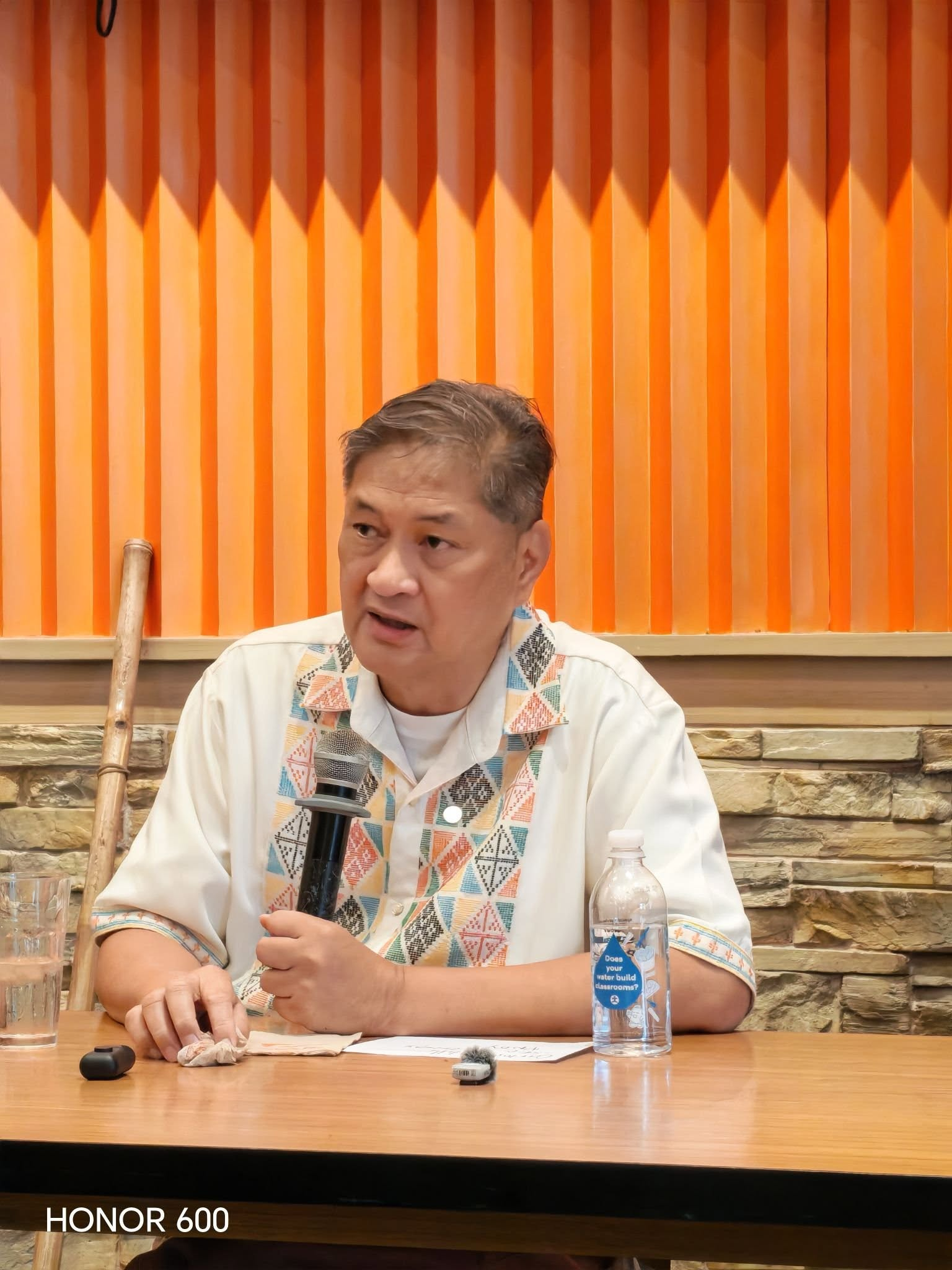
A charge is announced, names make headlines, and public opinion often begins forming long before the documents are examined. For Atty. Antonio “Tony” La Viña, spokesperson for Senator Loren Legarda, the controversy involving the senator and her son, Batangas First District Representative Leandro Leviste, should be approached differently—with the records first, and the accusations second.
Speaking before members of the digital media on Wednesday, La Viña rejected the allegations against Legarda and Leviste as “baseless” and “ridiculous,” arguing that the documentary and financial records contradict the claims being made against them.
At the heart of his defense is a simple assertion: there was no government money taken.
“Una sa lahat, walang pera galing sa gobyerno na kinuha at binulsa ni Senator Loren o ni Representative Leandro. Walang plunder, walang government funds na kinuha in any of the projects.”
La Viña maintained that the renewable energy ventures being scrutinized were privately funded and that the failure of a project to materialize does not automatically translate into plunder or graft.
It is a distinction he believes deserves closer examination, particularly as the allegations move through the legal system.
When corporate identities become part of the controversy
One of La Viña’s principal objections concerns what he described as the conflation of different corporate entities.
He challenged the Department of Energy to revisit its correspondence and distinguish among the companies involved, particularly in relation to a multibillion-peso demand publicly associated with Leviste.
According to La Viña, a DOE demand letter involving approximately ₱24 billion—later reduced to ₱10 billion—was addressed to Emmanuel Rubio of SP New Energy Corporation (SPNEC), rather than to Leviste personally or to his companies.
He pointed out that SPNEC has been majority-owned and controlled by MGen, Meralco’s generation arm, since 2024.
For La Viña, the distinction is not merely technical. Corporate identity determines responsibility.
“Malinaw naman ang resibo na yung letter nila asking for twenty-four billion to be paid, na later binago nila to ten billion, ay doon sa kay Mr. Emmanuel Rubio at hindi kay Leandro Leviste, hindi sa kanyang mga kumpanya.”
His argument is essentially that financial obligations cannot simply be transferred from one corporate entity to another because their names or histories may appear connected in the public narrative.
The franchise that never took off
La Viña also addressed the Solar Para sa Bayan franchise, arguing that it was non-exclusive and eventually ceased to exist under the law’s automatic revocation provision after failing to become operational.
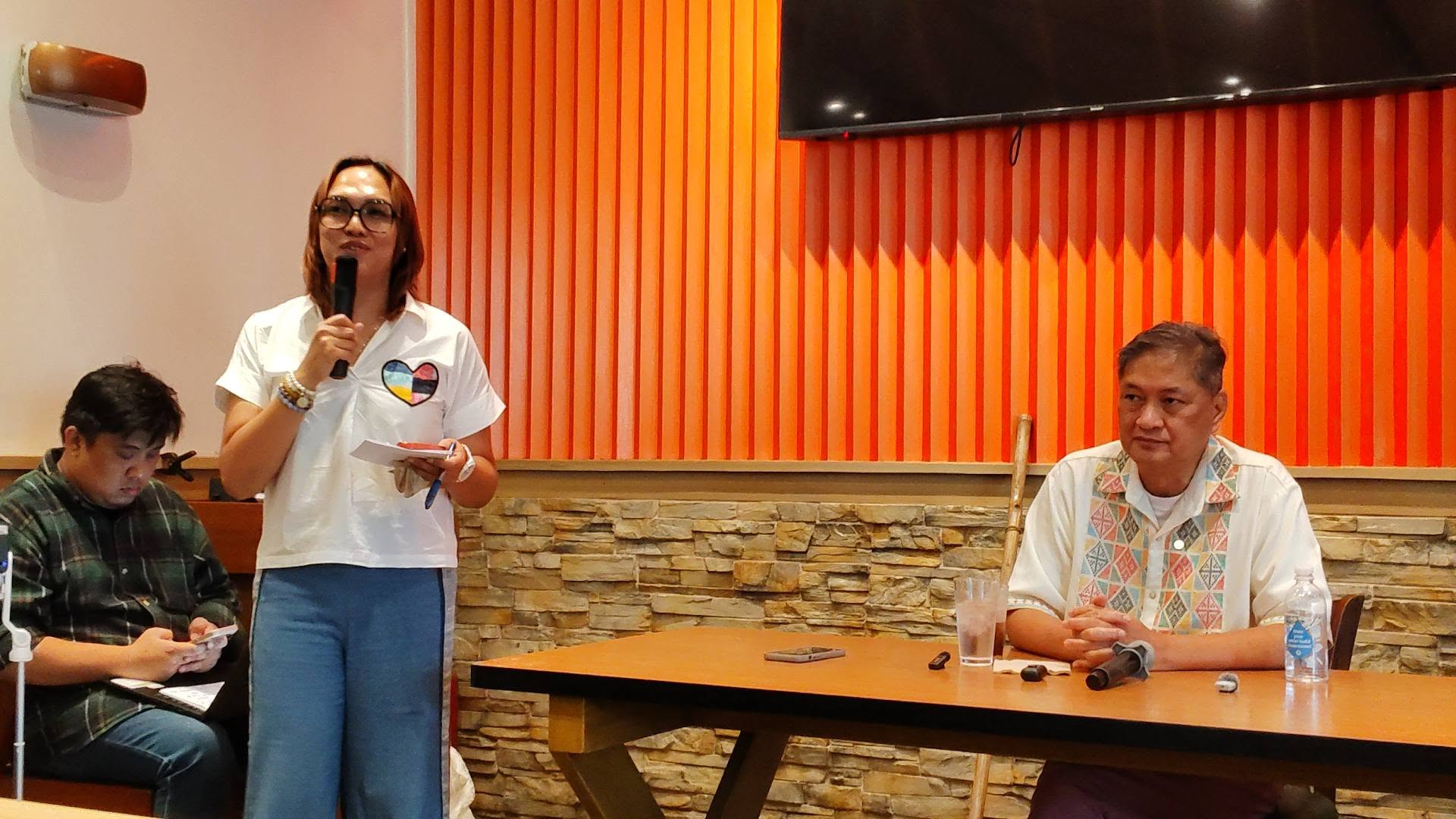
He attributed the failure to implement the franchise to what he described as the DOE’s failure to issue the necessary implementing rules and identify the areas where the franchise could operate.
“Hindi siya na-implement dahil sa gobyerno.”
The point raises a broader issue that goes beyond the personalities involved: When a government-approved program fails to materialize, where should accountability fall?
Is the private sector automatically responsible for an unrealized project? Or must the government agencies responsible for implementation also account for their own actions—or inaction?
For La Viña, the documentary trail matters in answering that question.
Forty-two contracts versus 518
Another allegation addressed by La Viña concerns the number of renewable energy service contracts associated with Leviste.
He disputed the characterization that Leviste had effectively monopolized renewable energy service contracts, noting that the 42 solar contracts attributed to him represent only a portion of the 518 solar service contracts nationwide.
More importantly, La Viña emphasized that a service contract does not guarantee that a project will eventually become operational.
Renewable energy development involves exploration, feasibility studies and pre-development activities. Projects can encounter problems involving land availability, grid connectivity, financing and other practical considerations.
The investor, he argued, assumes the financial risk.
That distinction becomes crucial when determining whether a failed project should be viewed as evidence of wrongdoing—or simply as a private investment that did not reach completion.
The Legarda question
Perhaps the most politically sensitive aspect of the controversy is the inclusion of Senator Loren Legarda.
La Viña categorically rejected the suggestion that the senator’s relationship with her son establishes her involvement in his business affairs.
He maintained that Legarda neither participated in the management of Leviste’s companies nor used her public office to advance their interests.
“There’s nothing in the charges of the Ombudsman na kasama si Senator Loren Legarda. So, yun, bakit siya nakasama?”
That question goes to the heart of the political dimension of the controversy.
In public life, proximity can easily become evidence in the court of public opinion. A mother and son can share a family relationship, but that relationship alone does not necessarily establish participation in a business transaction.
The challenge, therefore, is to determine whether there is actual documentary evidence connecting Legarda to the alleged acts—not simply whether she is related to someone being investigated.
Politics, perception and the presumption of accountability
The controversy illustrates one of the enduring tensions in Philippine public life: the difference between being accused and being proven responsible.
Public officials should unquestionably face scrutiny. Government agencies should investigate allegations involving public interest. The Ombudsman has a critical role in determining whether complaints have sufficient basis to proceed.
But accountability works both ways.
Those making accusations must be prepared to support them with evidence. Government agencies must get their records right. And those being accused must be given the opportunity to answer.
This is particularly important when political personalities are involved, because an allegation can become a political narrative long before it becomes a legal conclusion.
La Viña’s message is therefore not simply a defense of two public figures. It is also a call to examine the documentary trail before reaching conclusions.
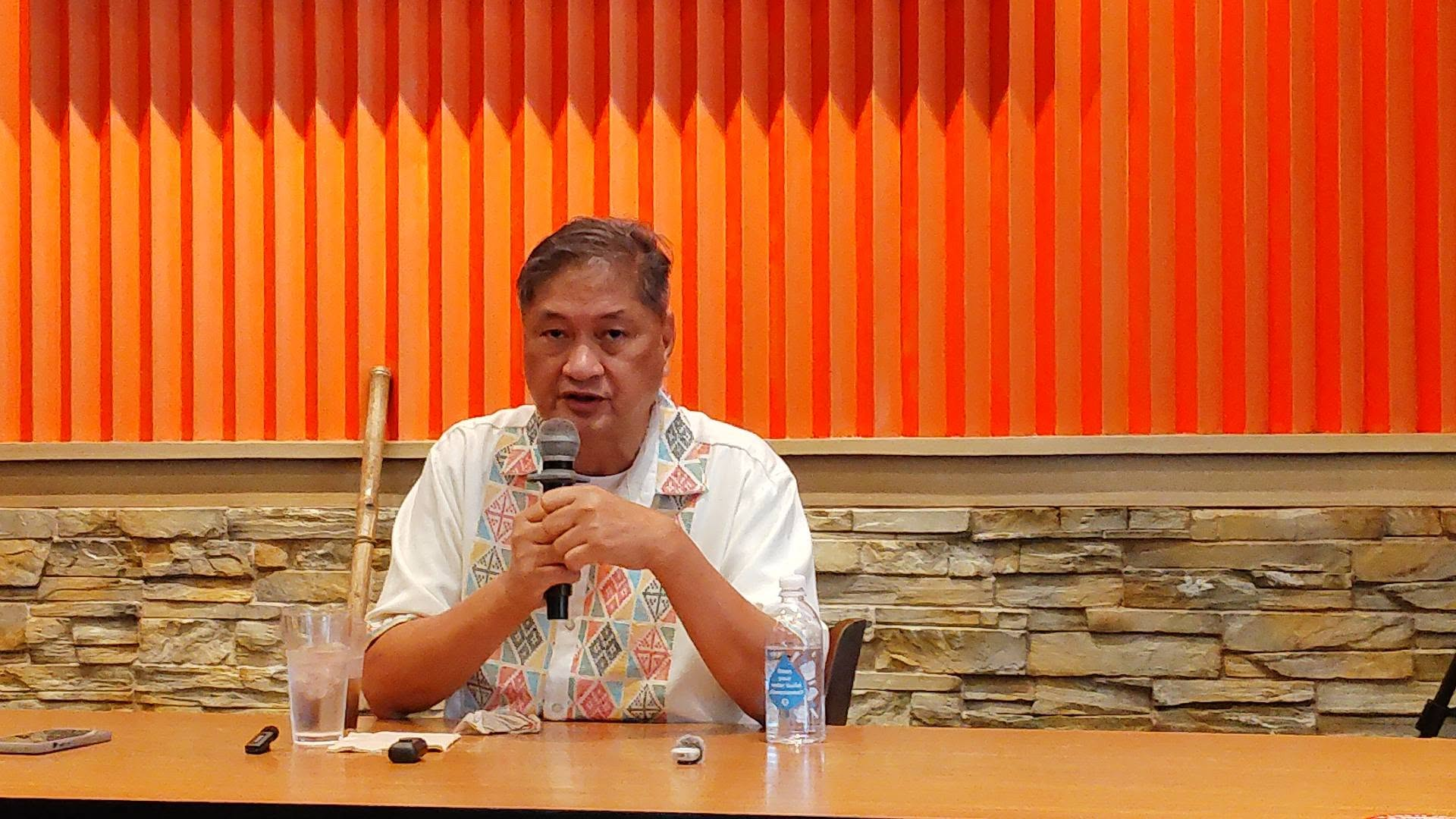
Let the records speak
La Viña confirmed that Legarda and Leviste submitted their counter-affidavits within the prescribed period, disputing claims that their responses were delayed.
Ultimately, the matter remains within the legal process.
The allegations will have to be weighed against the documents, corporate records, financial obligations, government correspondence and the respective roles of the individuals and entities involved.
And perhaps that is where the public conversation should begin.
Not with political loyalties.
Not with family relationships.
Not even with the loudest accusation.
But with the records.
“For those na hindi naniniwala o skeptical, I ask lang for an open mind, di ba? Humingi naman kayo ng resibo. Kami, may resibo kami.”
In a political environment where accusations can become headlines overnight, asking for the receipts may be the most reasonable demand of all.
Because ultimately, public accountability should not be determined by who speaks the loudest—but by what the evidence can actually prove.

